Reliable Results through a Certified Commercial Electrician
Key Features to Seek out in a Industrial Electrician for Your Firm
Picking the right commercial electrician is vital for any organization. Critical attributes like valid licenses, substantial background, and a focus on safety can significantly affect project outcomes. Strong communication and personalized solutions also represent key elements in addressing distinct company requirements. Comprehending these aspects can contribute to sounder decision-making. What additional factors should enterprises examine when assessing candidate electricians?
Why Suitable Permits and Accreditations Matter
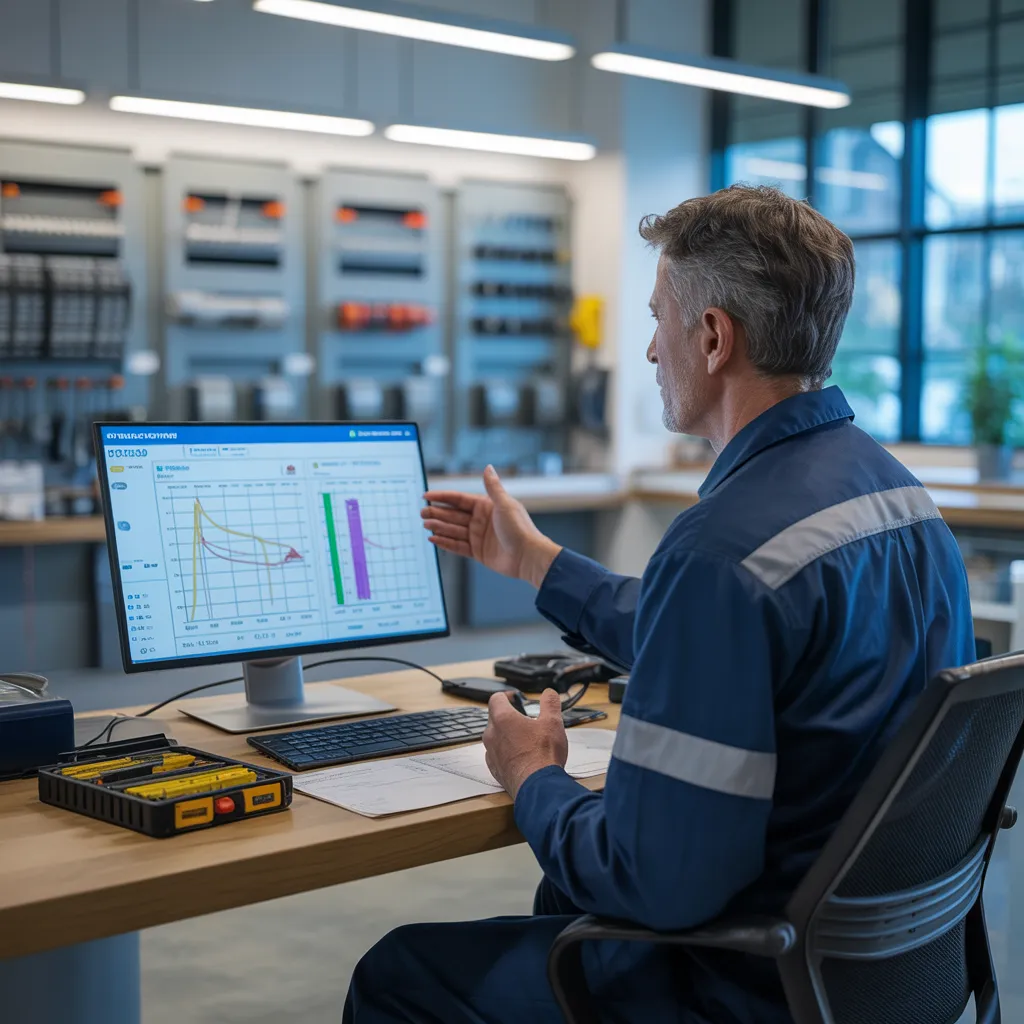
In the arena of commercial electrical operations, appropriate permits and qualifications operate as essential indicators of a professional's ability and adherence to professional guidelines. These qualifications confirm that electricians possess the vital expertise and competencies to handle intricate electrical systems effectively and safely. Governing authorities establish rigorous training initiatives and evaluations that electricians must finish to receive these credentials, showing their devotion to highest standards.
Additionally, licenses commonly require ongoing education, preserving professionals' knowledge of the latest technologies and safety standards. This ongoing education is vital in a constantly changing industry where adherence to safety codes is fundamental. Employers and clients can have stronger assurance when hiring electricians with confirmed certifications, recognizing that they are equipped to lessen dangers and guarantee high-quality work. Ultimately, the inclusion of necessary licenses and certifications not only boosts the trustworthiness of commercial electricians but also reinforces the overall security and integrity of electrical installations.
Proven Track Record in Business Undertakings
These experts are adept at deploying energy-efficient solutions and complying with industry regulations, ensuring that projects meet both functional and security requirements. Moreover, their knowledge of varied business facilities—ranging from retail spaces to office buildings—positions them to anticipate likely problems and deliver tailored solutions.
Analyzing an electrician's compilation from past commercial projects yields invaluable comprehension into their problem-solving abilities and dependable nature. In conclusion, going with an electrician with substantiated commercial knowledge can greatly influence the success and efficiency of a business's electrical needs.
Prioritizing Safety Standards in Electrical Work
In the scope of commercial electrical projects, emphasizing safety protocols is paramount. Following regulations guarantees that all installations satisfy legal requirements, while the selection of quality materials protects against potential hazards. These practices not only protect workers but also enhance the reliability of electrical systems in commercial settings.
Meeting Regulatory Requirements
While traversing the complexities of electrical work, a commercial electrician must stress compliance with regulations to ensure safety and functionality. Complying with local, state, and national codes is essential, as these guidelines are designed to protect both the public and the property. An experienced electrician understands that failure to comply can result in unsafe circumstances, legal repercussions, and costly repairs. Consistent education and updates on regulatory changes are necessary for maintaining compliance. In addition, a reputable electrician will possess the necessary licenses and certifications, demonstrating their commitment to industry standards. Ultimately, stressing compliance not only boosts safety but also fosters trust with clients, ensuring long-term examine guide success in commercial electrical projects.
Implementation Of High-Grade Materials
Quality materials play a pivotal role in ensuring safety standards within electrical work. Those commercial electricians who value the use of reliable components mitigate risks connected to electrical failures, including short circuits and fires. Utilizing reliable materials not only improves the durability of electrical systems but also guarantees compliance with safety regulations. Selecting an electrician demands asking about the types of materials they use. Electricians who are dedicated to quality will source components from reputable manufacturers, thereby providing peace of mind to business owners. Additionally, quality materials demonstrate professionalism and a commitment to long-lasting performance. Ultimately, companies that prioritize safety reap benefits in the form of reduced maintenance costs and a safer environment for employees and customers.
Why Robust Speaking Abilities Are Essential?
How can a professional tradesperson effectively navigate complex projects if they are missing powerful communication competencies? Transparent communication is essential for a successful collaboration between electricians, coordinators, and end-users. It guarantees that everyone shares a common understanding regarding detailed requirements, completion dates, and budget constraints.
Electricians must communicate technical concepts in a way that non-experts can understand, supporting informed selections. Poor communication can lead to costly postponements, safety issues, or incomplete work. Furthermore, strong interpersonal abilities build trust and rapport, creating a positive working environment that enhances productivity.
Listening is equally important; an skilled electrician must be able to comprehend client needs and preferences. This two-way communication allows for modifications and troubleshooting throughout the project. Ultimately, excellent communication skills not only optimize operations but also contribute to overall project success, making them an essential quality for any commercial electrician.
Offering Tailored Electrical Solutions for Your Company Requirements
Grasping the unique electrical needs of a business is essential for any business electrical specialist. Each enterprise has distinct functional requirements, which can differ significantly based on industry, building size, and specific equipment demands. A skilled business electrical specialist understands the importance of performing comprehensive evaluations to determine these requirements, guaranteeing that solutions are not only productive but also economical.
Customized electrical solutions can range from energy-efficient lighting systems to comprehensive rewiring projects and custom installations. By tailoring offerings, electricians can improve security, boost power efficiency, and facilitate company expansion. In addition, a knowledgeable electrician keeps current with sector guidelines and technological advancements, allowing for cutting-edge approaches that meet current standards.
Applying tailored approaches ultimately generates enhanced efficiency and decreased interruptions, making it a vital characteristic in a commercial electrician. Businesses benefit greatly from professionals prioritizing bespoke strategies, ensuring that all electrical systems align seamlessly with operational goals.
What Outstanding Customer Testimonials Demonstrate About Your Electrical Professional?
Positive customer testimonials represent a potent indicator of an electrician's reliability and expertise. When businesses receive regular accolades for an electrician's work, it shows not only technical competence but also robust customer service skills. Positive input often emphasizes punctuality, conduct, and effective communication, all crucial qualities for a successful commercial electrician.
Moreover, reviews can offer insight into the electrician's problem-solving abilities, demonstrating how they tackle unexpected obstacles. Customers commonly mention the quality of workmanship, which is essential for maintaining long-term safety and compliance with regulations.
Furthermore, a high volume of positive reviews can indicate a solid standing within the community, implying that the electrician is trusted by peers and clients alike. Ultimately, these testimonials function as a important tool for businesses seeking to choose wisely when selecting the right electrician for their needs.
Often Questioned Topics
What Approach Should I Use to Validate an Electrician's Credentials and Certifications?
To substantiate an electrician's credentials and qualifications, one should contact local or state regulatory agencies, examine paperwork supplied by the electrician, and reference digital registries that monitor licensing status and any disciplinary records.
What Types of Insurance Proves Essential for a Commercial Electrician?
A commercial electrician should have general liability insurance, workers' compensation insurance, and, if applicable, professional liability coverage. These insurances safeguard both the electrician and the client from potential accidents, damages, and legal claims during projects.
In What Ways Can I Evaluate an Electrician's Reliability and Punctuality?
To determine an electrician's reliability and punctuality, one should review client testimonials, check references, and analyze past project timelines. Additionally, evaluating their communication skills can provide insights into their dedication and scheduling reliability.
What Are the Typical Prices Involved in Engaging a Commercial Electrician?
Regular costs for employing a commercial electrician fluctuate based on work intricacy, ranging from $50 to $150 per hour. Extra factors involve materials, location, and urgency, with total project projections often attaining several hundred to thousands of dollars.
What Duration Should a Commercial Electrical Project Need to Complete?
The length of a commercial power project typically varies from a few days to several weeks, depending on the project's complexity, scope, and the efficiency of the electrician and team working on the work.